Leasing and off-hire desks · owners · depots · corporate fleets · forwarders with idle equipment
Containers arriving or sitting idle? Sell or reuse them locally.
Report one-way, SOC, off-hire, used or damaged containers before they arrive. We look for a professional buyer or next use near the port, so you can avoid part of the empty return.
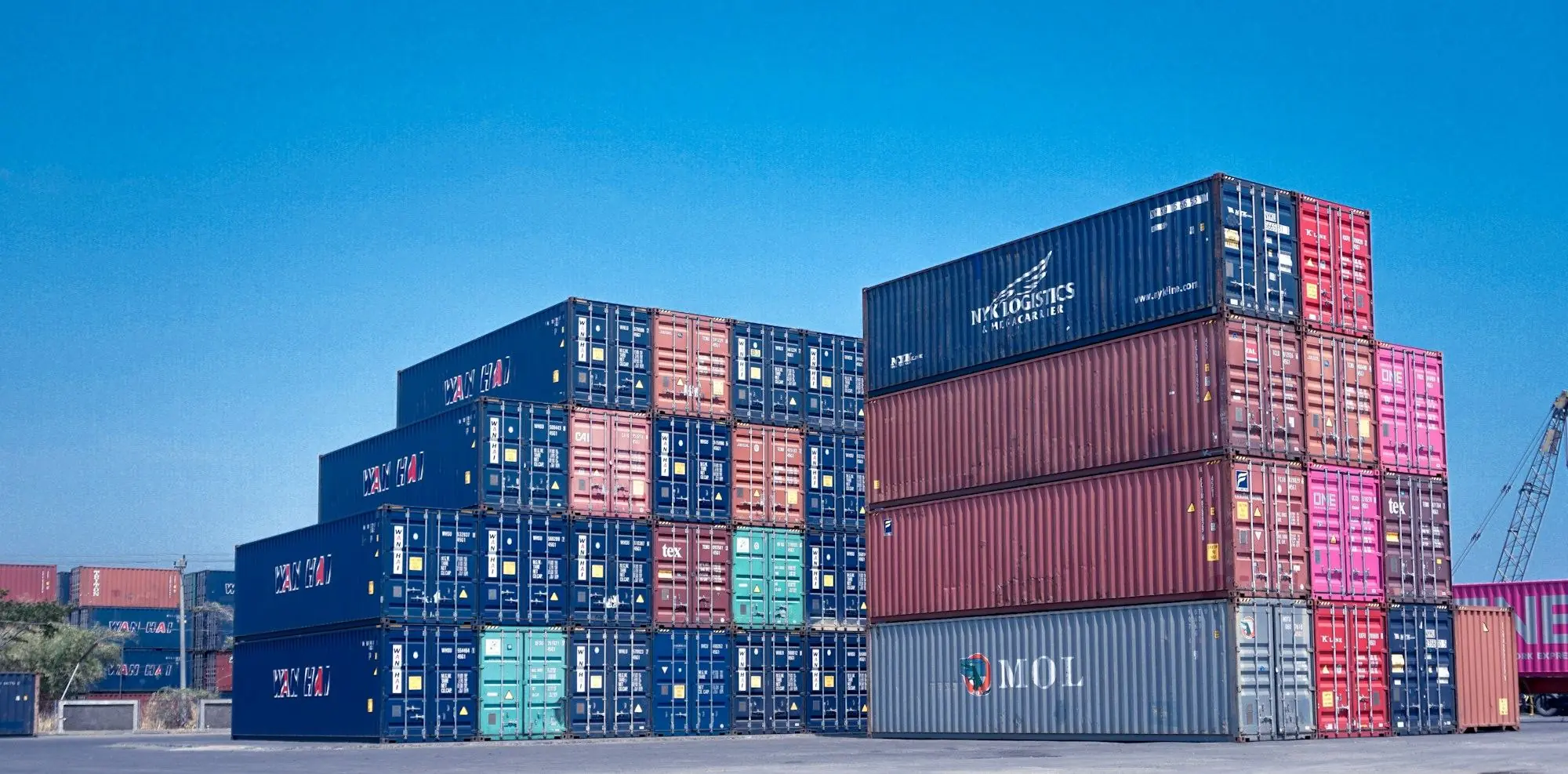
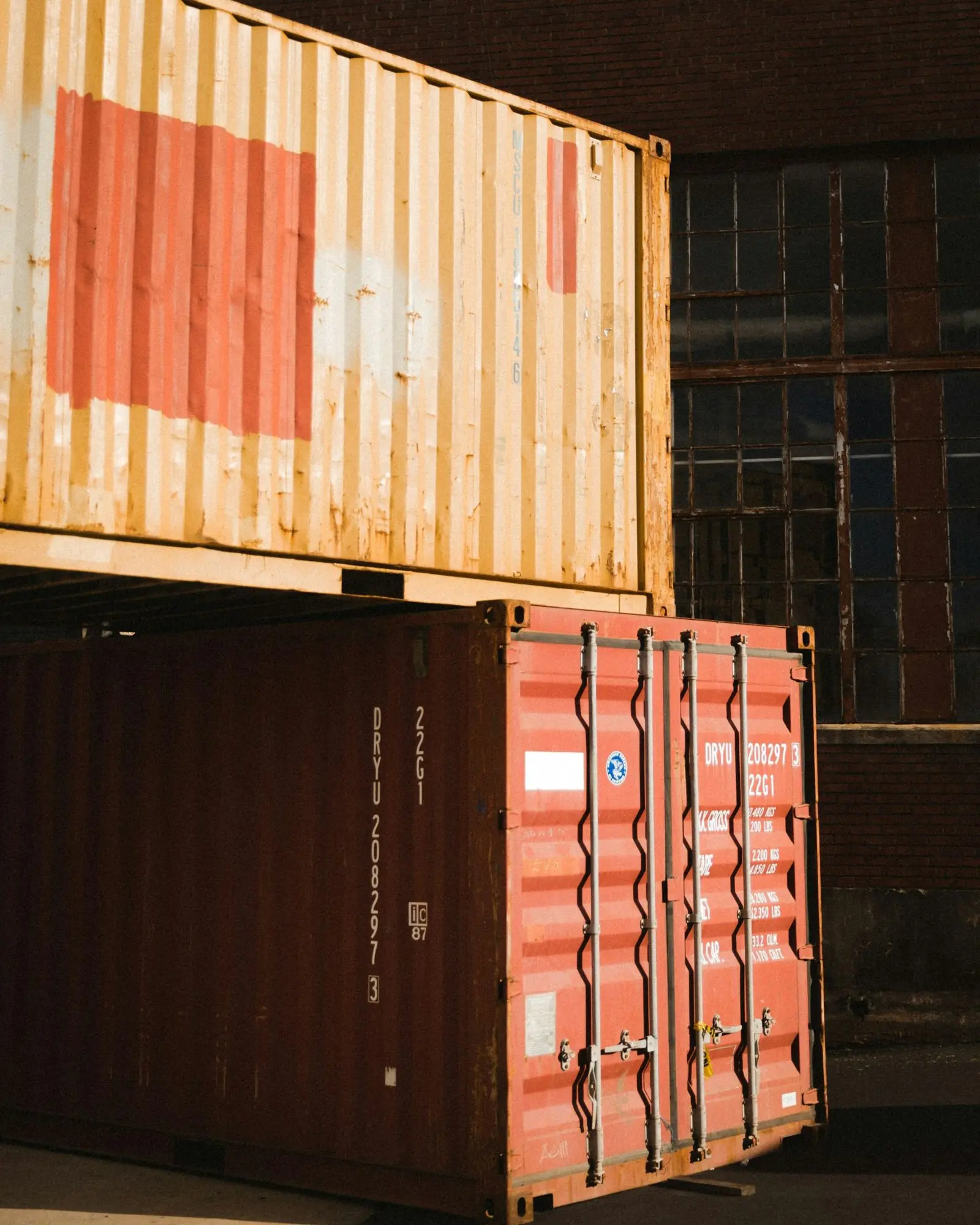
Illustrative photo. Not LATYNEX stock.
What you can offer
Single lots, surplus and idle units
- One-way and SOC containers arriving at a port, before they are unloaded.
- Off-hire and surplus units that would otherwise return empty or wait in storage.
- Used or damaged containers: describe the condition as it is, “not sure” is fine.
- Lots from forwarders, NVOCCs, traders and lessors, not single units for private use.
Who sells through us
Leasing companies and carriers with off-hire units that are cheaper to place locally than to reposition. Owners with surplus after a contract or project ends. Depots and forwarders with idle equipment standing in a yard. Companies that hold containers they no longer use and want a professional buyer, not a public advert.
If your containers are still on their way from overseas, the page on one-way and SOC containers covers pre-arrival lots from the origin side.
Standing stock and arriving lots are handled differently
Equipment that already stands at a depot can be matched as soon as we know the location, type, quantity and grade, and photos help. For lots that are still arriving, the expected date lets us start looking before the units are unloaded.
Tell us which of the two applies. A lot that can be released today and a lot that is due in three weeks reach different buyers.
You stay in control of the sale
You decide whether a proposal is acceptable and what the price basis is. We do not give your name to a buyer until you have confirmed the terms, and nothing is advertised. If a local sale is not permitted under your lease or ownership terms, tell us; we will not propose it.
Surplus that comes back every month
If you regularly have equipment to place, such as off-hire units from a recurring return programme, say so when you report. A recurring flow can be matched with buyers who need a steady supply, and it is easier to place a known schedule than an occasional surprise.
What a buyer will ask you for
Documents and details to have ready
- Written permission to sell or release the equipment locally, where the owner is a leasing company or carrier.
- A release instruction the depot will accept, and the depot's address and opening times.
- Container type, quantity and grade, and photos of doors, floor and roof.
- Year of manufacture and CSC status if you know them. They can be added after your first submission.
What we need
Four things to start
- Container type and how many.
- Country and port or city where they are or will be unloaded.
- When they are available: already, or an expected date.
- Whether they are SOC, one-way, off-hire, used or damaged — “not sure” is fine.
Condition, year, CSC status and price expectations can be added after you submit. We do not ask for container numbers at this stage.
Terms in plain words
What the container terms mean
Definitions vary by contract; describe your containers as accurately as you can.
- 20DC / 40DC / 40HC
- 20' or 40' dry container; HC (high cube) is the 40' unit about 30 cm taller than standard.
- One-trip
- Unused or used for a single loaded voyage, usually the best condition after new.
- CW (cargo-worthy)
- Sound enough to carry cargo on a regular basis; usually older, with normal wear.
- WWT (wind & watertight)
- Sound structure for storage or site use, not meant for sea carriage.
- SOC
- Shipper-owned container: it belongs to the shipper or its lessor, not to the carrier.
- One-way
- Positioned for a single leg and not necessarily expected back, so it may need a local buyer.
Report containers
Have containers? Tell us.
Two short steps. Your request is saved after the first.
FAQ
Before you send
About the photos
All photographs on this page are illustrative and show third-party equipment. LATYNEX does not hold a container stock.
- Taro Ohtani · Unsplash License
- inidianaa · Unsplash License
- Erwan Hesry · Unsplash License
- Nosaka · Unsplash License
- BezumniyChasovshik (Wikimedia Commons, file Teu.jpg) · Public domain